Understanding ADHD
Learn about symptoms, how diagnosis works, and why many adults don't realize they have ADHD
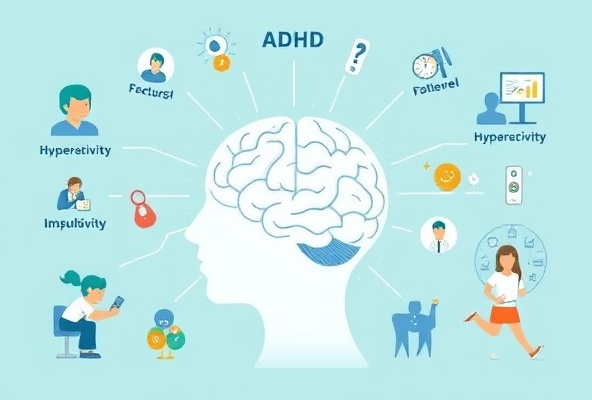
Common ADHD Symptoms
ADHD manifests differently in each person, but there are common patterns that our specialists look for during diagnosis.
Difficulty with Sustained Focus
Trouble concentrating on non-stimulating tasks, even when important. Easily distracted by external stimuli or internal thoughts.
Impulsivity Issues
Acting without thinking, interrupting others, difficulty waiting your turn. Making hasty decisions that may have negative consequences.
Hyperactivity & Restlessness
Feeling constantly on the go, difficulty sitting still, fidgeting. In adults, this often manifests as mental restlessness rather than constant movement.
Organization & Time Management
Difficulty organizing tasks, poor time management, chronic procrastination. Losing important items frequently.
Emotional Regulation
Mood swings, difficulty handling criticism, low frustration tolerance. Strong emotional reactions to events.
Hyperfocus Episodes
Intense, sustained focus on interesting tasks while struggling with routine ones. Can lose track of time entirely.
What's Involved in ADHD Diagnosis
Our comprehensive evaluation process helps us understand your unique ADHD presentation
Comprehensive Medical History
We'll review your personal history, symptoms, family history of ADHD, and how these symptoms impact your daily life—work, relationships, school, and self-care.
Symptom Assessment & Questionnaires
Standardized ADHD rating scales and questionnaires help us evaluate the severity and type of symptoms you're experiencing. These evidence-based tools improve diagnostic accuracy.
Evaluation for Other Conditions
We screen for depression, anxiety, sleep disorders, and other conditions that can mimic or occur alongside ADHD to ensure accurate diagnosis.
Detailed Diagnosis & Explanation
We'll thoroughly explain your diagnosis, answer your questions, and discuss what ADHD means for you specifically.
Personalized Treatment Plan
We'll create a treatment plan tailored to your needs, exploring medication options, therapy, lifestyle changes, and ongoing support.
Why ADHD Often Goes Undiagnosed in Adults
Many successful adults have learned to work around their ADHD without realizing what's happening
High Achievers with Undiagnosed ADHD
Many intelligent, successful people have undiagnosed ADHD. They've developed coping mechanisms and workarounds that help them achieve but often at great personal cost—stress, anxiety, and exhaustion.
They may not realize that their struggles with organization, time management, or maintaining relationships are ADHD-related rather than personal failures.
Different Presentations
ADHD looks different in adults than in children. Hyperactivity may manifest as restlessness or difficulty winding down. Impulsivity might show up as emotional reactions or risky decisions.
These variations can make ADHD harder to recognize without a proper evaluation.
Overlooked in Women
Women are particularly likely to be underdiagnosed because ADHD can present differently. Women may focus on organization difficulties rather than hyperactivity and are less likely to be referred for evaluation.
Our specialists are trained to recognize ADHD across all presentations and demographics.
Misattributed to Other Conditions
ADHD symptoms can overlap with anxiety, depression, or personality traits. Someone might be treated for anxiety for years without addressing the underlying ADHD.
Our comprehensive evaluation helps us distinguish between these conditions.
Do You Think You Might Have ADHD?
Get a comprehensive evaluation from a board-certified specialist in 24 hours
Schedule Your Evaluation